

Cloud & DevOps Engineering
Cloud infrastructure and deployment pipelines your team can trust.
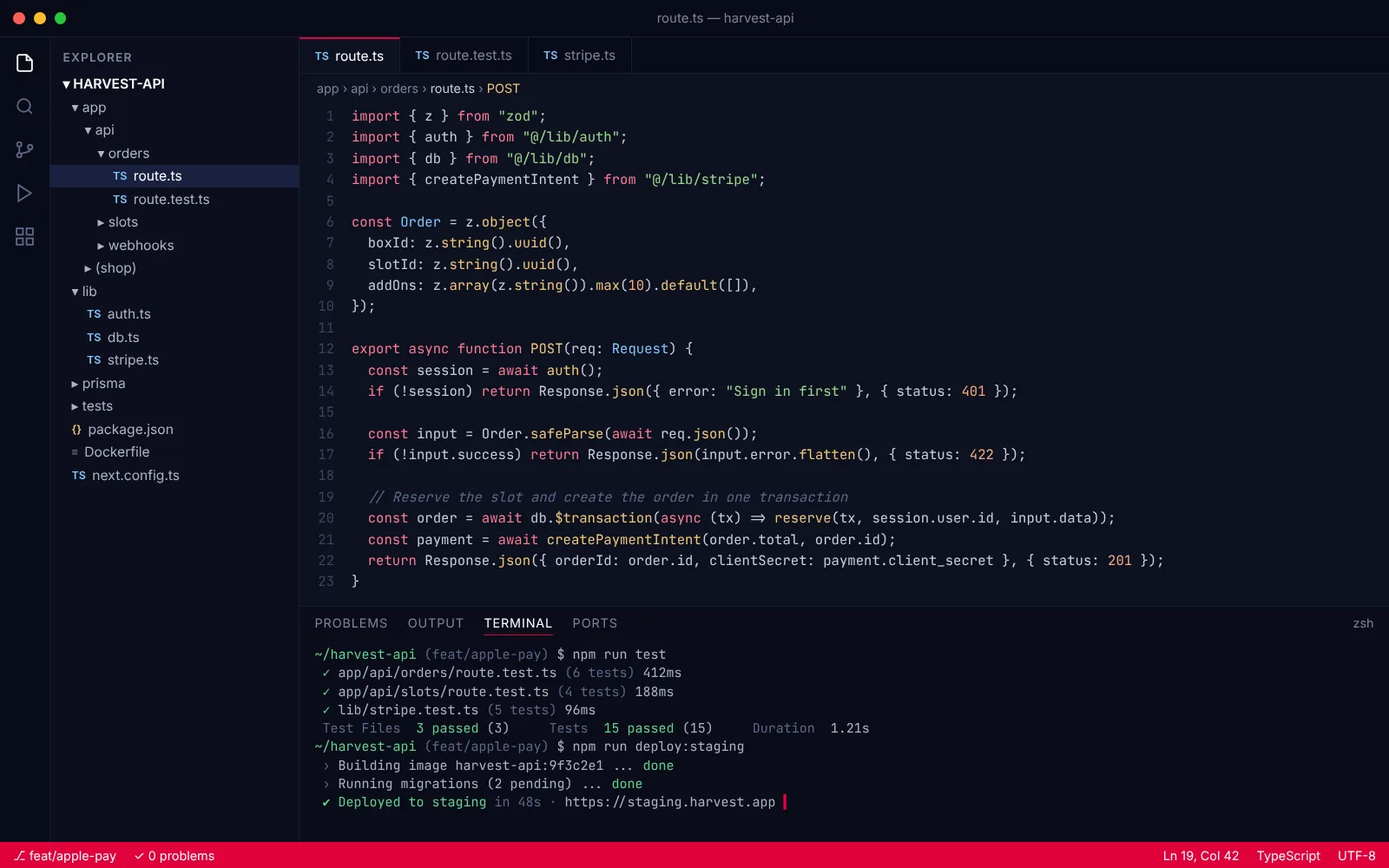
If deploying takes a half-day and everyone holds their breath, or your cloud bill keeps growing for reasons nobody can explain, we can help. We set up infrastructure as code, automated pipelines and monitoring so releases become routine and costs stay visible.
We work on AWS, Azure and Google Cloud with Terraform, Docker and Kubernetes when the scale calls for it. We don't add complexity you don't need. A small product often runs better on a couple of managed services than on a full Kubernetes cluster.
What’s included
Pick the parts you need. Most projects use all of them.
- 01
Cloud architecture
Infrastructure designs for AWS, Azure or GCP sized for your traffic and budget.
- 02
CI/CD pipelines
Automated build, test and deploy with GitHub Actions, GitLab CI or Azure DevOps.
- 03
Containers & Kubernetes
Docker images and Kubernetes clusters for teams that genuinely need them.
- 04
Infrastructure as code
Terraform or Pulumi so every environment can be recreated from version control.
- 05
Monitoring & alerts
Logs, metrics, uptime checks and alerts that go to the right person.
- 06
Cost reduction
Rightsizing, reserved capacity and cleanup that commonly cuts cloud bills by 20-40%.
What you walk away with
- Cloud audit with a prioritized list of fixes
- Infrastructure as code for every environment
- CI/CD pipelines with automated tests
- Monitoring dashboards, alerts and runbooks
- Backup, disaster recovery and security setup
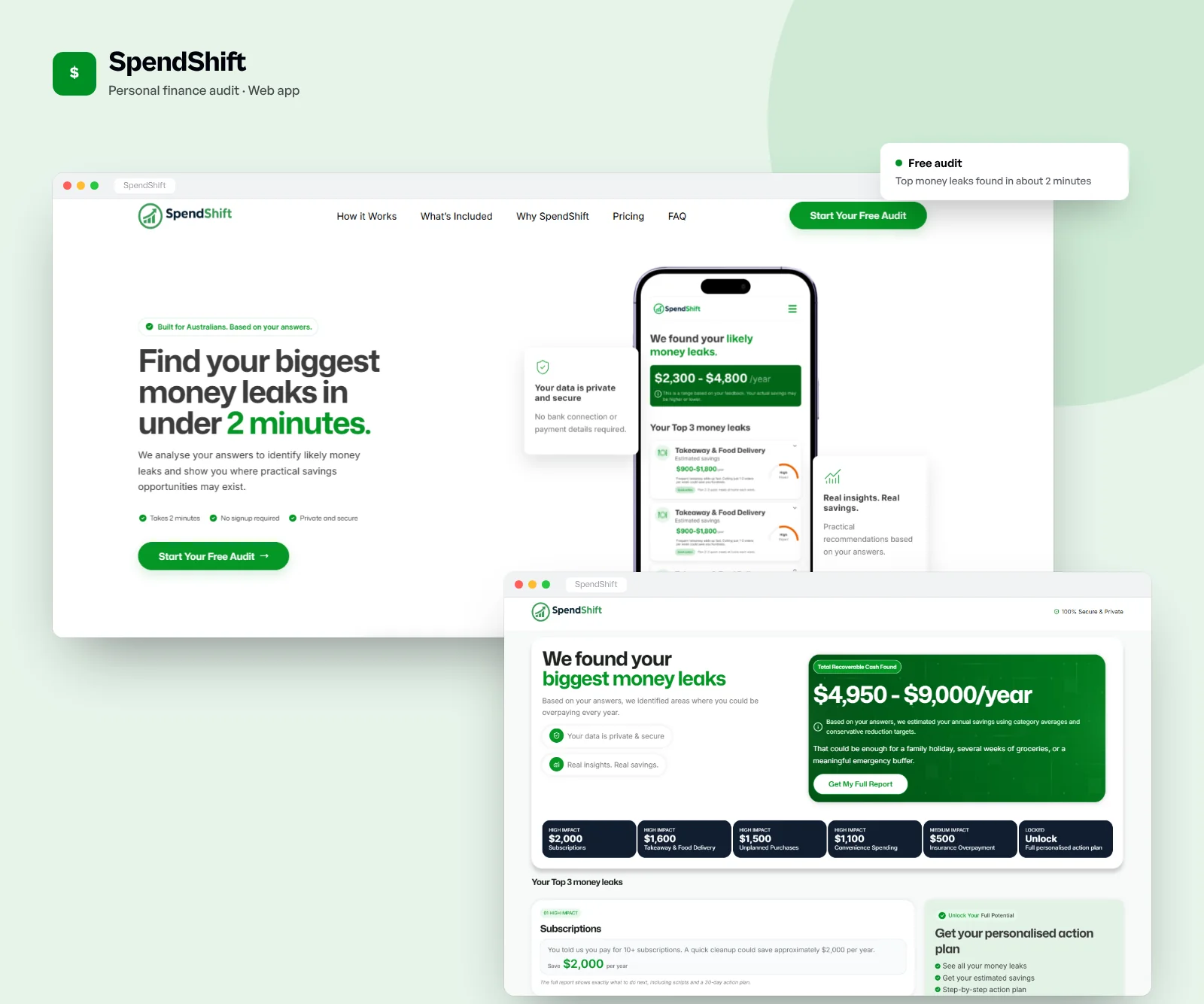
SpendShift, Personal finance startup, Australia
Tools we use
We choose per project. These come up most often for cloud & devops work.
123456789101112131415How a project runs
Five stages, two-week sprints and a demo at the end of every one.
Cloud & DevOps: common questions
Which cloud provider should we use?
If your company already uses Microsoft 365 or Azure AD, Azure is often the natural fit. AWS has the widest range of services. Google Cloud is strong for data and analytics. We recommend based on your team, existing contracts and workload.
Can you reduce our cloud costs?
Usually, yes. Most environments we review have oversized servers, idle resources or missing reserved capacity. Savings of 20-40% are common, and we show you the numbers before changing anything.
Do we need Kubernetes?
Often not. Managed container services or serverless platforms are simpler and cheaper for many products. Kubernetes starts paying off when you run many services or have specific scaling and portability needs.
Can you migrate us to the cloud?
Yes. We plan migrations in phases, move non-critical systems first, and keep a rollback option until each part is verified in the new environment.
Do you offer ongoing DevOps support?
Yes. We offer monthly plans for monitoring, patching, incident response and pipeline maintenance.